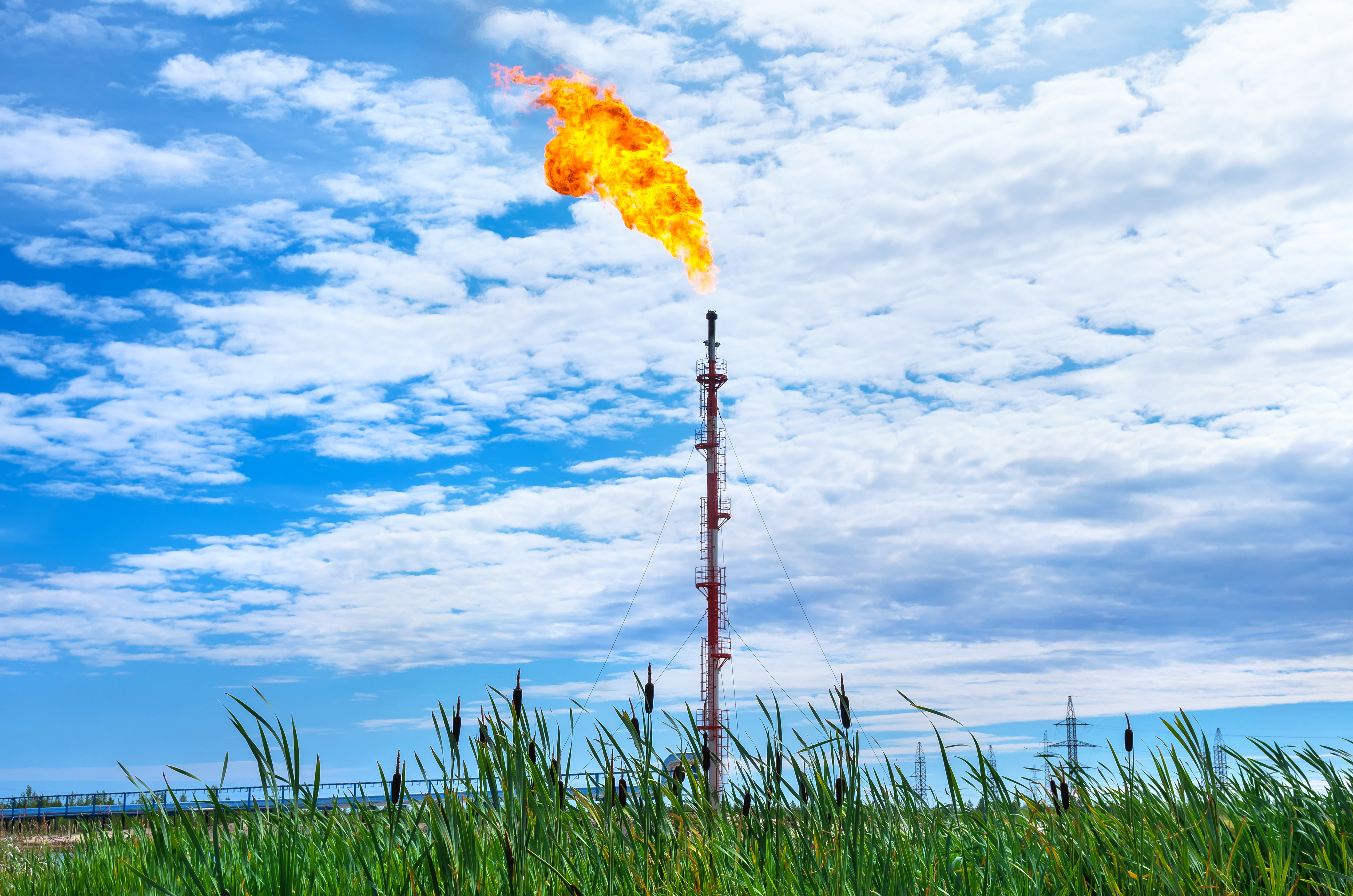
On August 4, 2020, the Railroad Commission posted a proposed revision to the Statewide Rule 32 Exception Data Sheet to solicit more data about the circumstances that flaring is requested by operators. This follows a growing discussion of reducing flaring activity in Texas.
This proposed revision to the Exception Data sheet incorporates many edits suggested by the Texas Methane & Flaring Coalition's Best Practices Report and proposals to reduce flaring.
So far there are no changes to SW 32 rules itself, but the exception application has changed significantly from the 2012 version to the proposed 2020 revision. Rather than change the rule, the RRC is requiring more information to be disclosed. The edits require operators to more thoroughly document the circumstances surrounding the need to flare gas. Details like vent counts, locations, and the explicit necessity for the flaring event are included in the form. Flaring necessity must be categorized as one of the following:
- Extended clean-up beyond 10 days;
- Unloading excess formation fluid buildup;
- Low pressure gas with authorized uses constrained by mechanical, physical, or economic impracticability;
- For casinghead gas only, the unavailability of a gas pipeline or marketing facility;
- Avoiding curtailment of gas which will result in a reduction of ultimate recovery;
- Insufficient gas gathering capacity;
- System upset;
- System upset (Third Party);
- Scheduled maintenance;
- Unscheduled maintenance; or
- Other
The comment period ends September 4, 2020.
Keep in mind that most new regulations begin with a data collection process. Bright Sky is tracking this development and providing feedback on oil and gas rulemaking through engagement in various industry groups. For more information, please contact Kat@BrightSkyENV.com
-John Hursh and Kat Galloway